How Rising Diesel Prices Could Push Up Your Grocery and Retail Bills
Surging diesel costs threaten to raise prices on groceries, clothing, and appliances as fuel expenses ripple through supply chains.
Surging diesel fuel prices are poised to drive up the cost of everyday household goods, from fresh produce to large appliances, as higher transportation expenses work their way through the supply chain and eventually land on consumers' receipts.
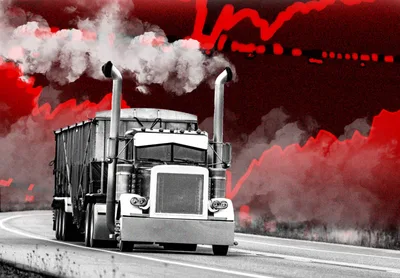
Diesel powers the vast majority of freight trucks, cargo ships, and distribution vehicles that move goods from factories and farms to store shelves. When fuel costs climb sharply, retailers and logistics companies face mounting pressure to either absorb the added expense or pass it along to shoppers — and historically, much of that burden shifts to the consumer.
Read more AI Exposure Threatens Job Prospects for Some College Majors →
Groceries are among the most vulnerable categories, given the perishable nature of food products and the frequency with which they are shipped. Clothing and household appliances, which often travel long distances through international supply chains before reaching domestic warehouses, face similar exposure to diesel-driven cost increases.
The so-called diesel premium — the added cost embedded in goods prices as a direct result of elevated fuel expenses — can vary by product category and supply-chain complexity. Items that require refrigerated transport or multiple distribution legs tend to carry a steeper markup when diesel prices spike.
Analysts warn that persistent diesel inflation could compound already-elevated consumer prices at a time when many households remain under financial strain. Continue reading at MarketWatch.com